
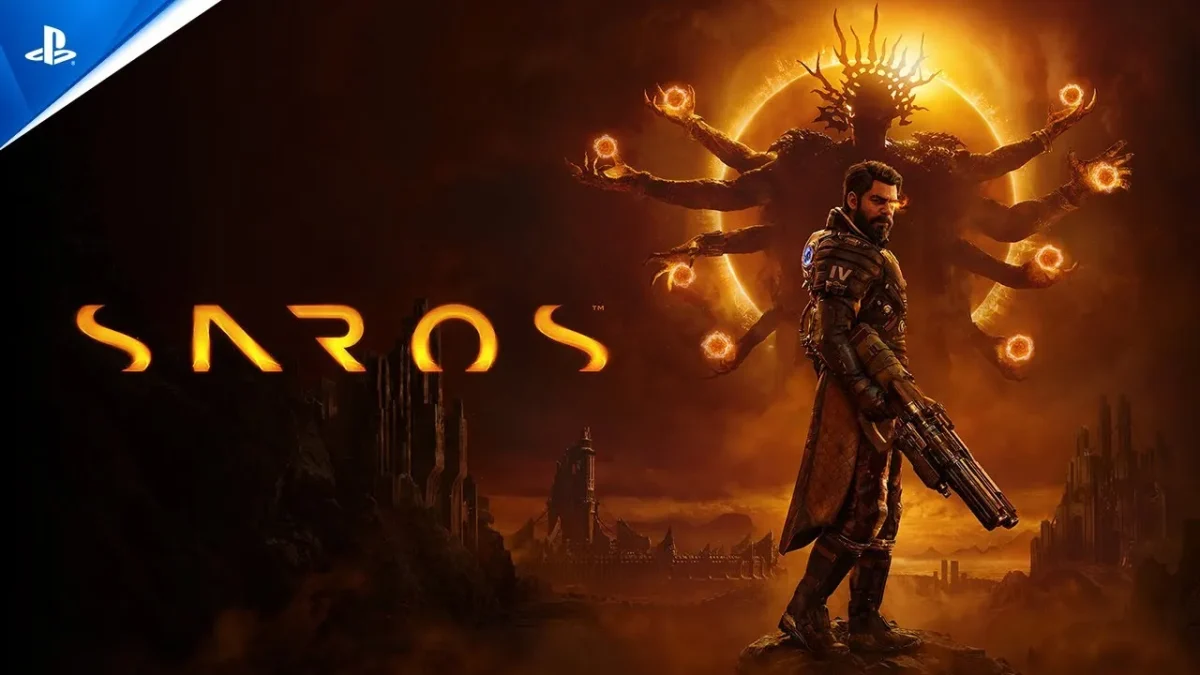

Housemarque already proved it could compete at the highest level with Returnal, but Saros feels like the studio fully realizing its ambitions. Instead of simply repeating the same formula, the developers pushed nearly every system further while making the experience feel more refined and approachable without losing its intensity.
That balance is what makes this Saros review so interesting to write. The game still carries the brutal energy and fast-paced combat Housemarque fans expect, but now there is more structure, stronger progression, and a narrative that actually tries to say something meaningful instead of hiding completely behind mystery and atmosphere.
After spending dozens of hours on Carcosa, it becomes very clear that Saros is not just another roguelite shooter. It feels like a major step forward for the studio and possibly one of the strongest PS5 exclusives in recent years.
Housemarque Pushes Its Formula Further Than Before
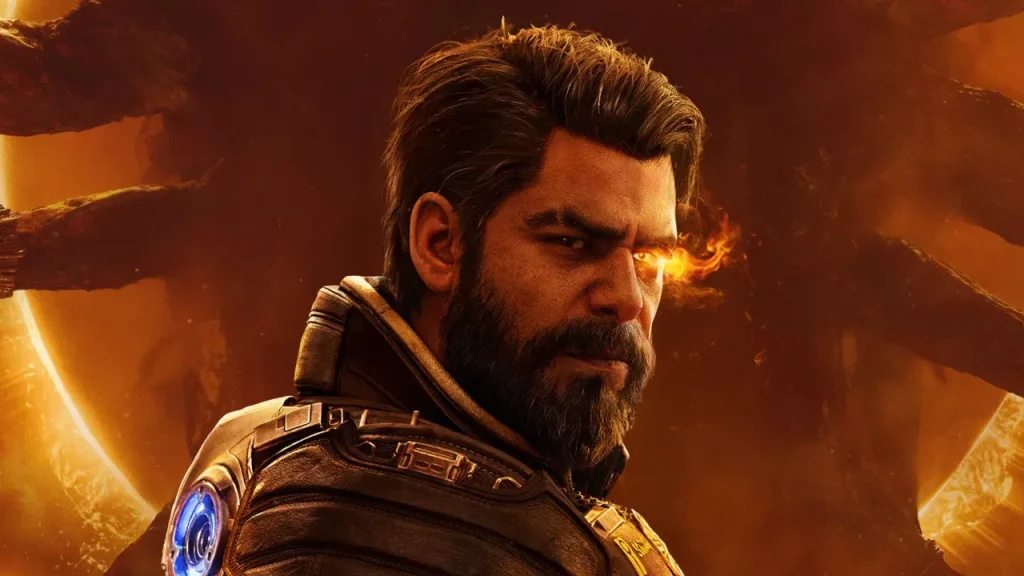
Previously, Returnal focused heavily on isolation and psychological horror through Selene’s journey. Now, Saros shifts toward a broader sci-fi narrative while still keeping the same tension and unpredictability that made Housemarque’s earlier work memorable.
In this Saros review, one thing becomes obvious very quickly. The Finnish studio learned exactly what worked in Returnal and what needed improvement. The result is a game that feels more ambitious mechanically, visually, and narratively without losing the identity that made Housemarque stand out in the first place.
Players control Arjun Devraj, an Enforcer sent to the planet Carcosa as part of the Echelon IV rescue mission. Several previous expeditions disappeared after landing there, and naturally things go very wrong almost immediately. The setup feels familiar for science fiction fans, but the execution carries enough mystery and atmosphere to stay engaging.
Carcosa Turns the Roguelite Loop Into Part of the Story
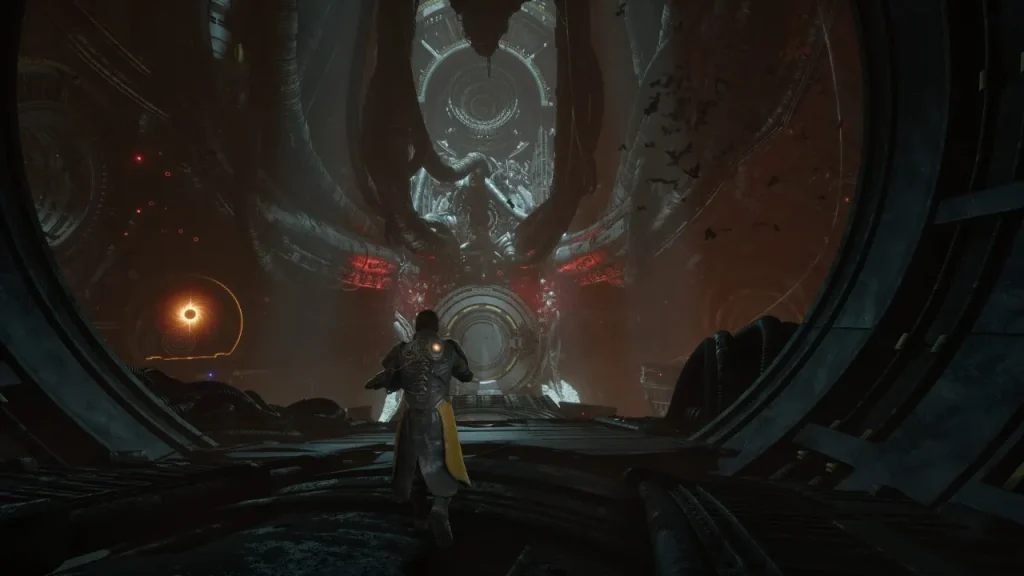
Previously, many roguelite games treated death loops purely as gameplay mechanics. Now, Saros integrates the concept directly into the narrative in a much more meaningful way.
Carcosa constantly changes after each solar eclipse, resetting environments and forcing Arjun to begin again after every death. Unlike some roguelites where repetition eventually feels disconnected from the story, the looping mechanic here feels naturally tied to the world itself. That helps every restart feel intentional instead of frustrating.
The atmosphere of Carcosa deserves special praise too. The planet constantly shifts between decaying corporate facilities, strange mineral formations, and surreal environments covered in harsh eclipse lighting. Every area feels dangerous, alien, and strangely beautiful at the same time.
Gameplay Feels Faster and More Precise Than Returnal

Now for the most important part of this Saros review, the gameplay itself.
The third-person bullet hell combat from Returnal returns here, but movement feels noticeably tighter and smoother. Arjun can dash through projectiles, grapple across environments, sprint aggressively into combat, and chain movements together with incredible responsiveness. After several hours, avoiding projectile patterns starts feeling almost instinctive.
What makes the combat especially satisfying is how much freedom it gives aggressive players. Instead of constantly hiding and surviving carefully, Saros encourages controlled risk-taking through mobility and counterplay systems.
The encounters remain difficult, but they rarely feel unfair. Even when the game punishes mistakes harshly, it usually feels like the player could have handled the situation better with improved timing or positioning.
The Soltari Shield Changes Combat Completely

Previously, survival depended heavily on movement and positioning alone. Now, Saros introduces the Soltari Shield system, and honestly it changes the rhythm of combat dramatically.
Blue projectiles can be blocked to charge powerful weapons, while red attacks require precise dodges or perfectly timed parries. Successfully reflecting attacks back into enemies feels incredibly satisfying, especially during larger encounters where the screen fills with projectiles constantly.
The parry mechanic adds a skill ceiling that makes combat much more rewarding long term. Once players begin mastering timing windows, fights transform from desperate survival into something that almost resembles rhythm-based gameplay.
That evolution keeps the combat fresh far longer than many roguelites manage.
Permanent Progression Makes Runs Feel More Rewarding
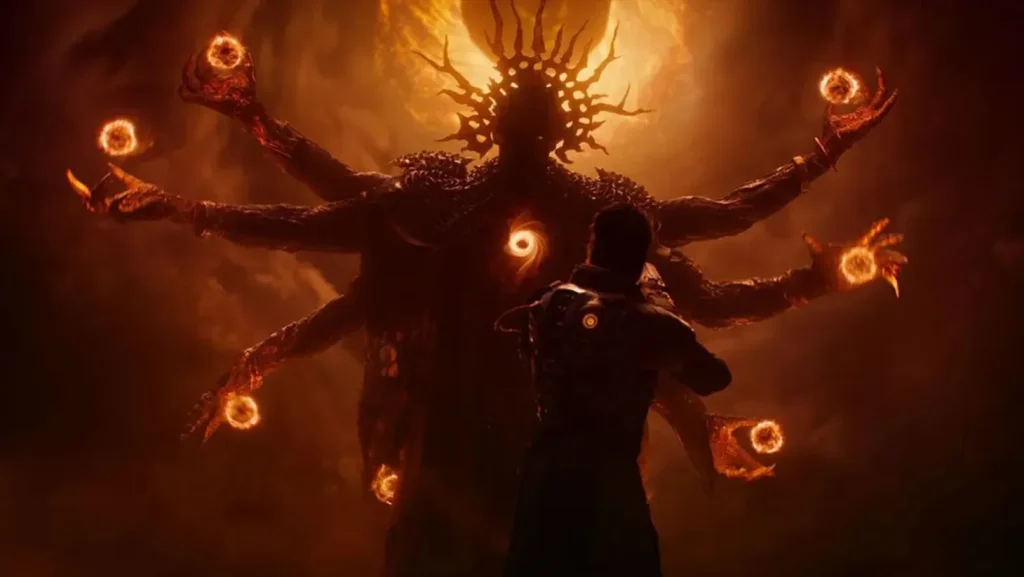
One of the smartest changes in Saros is how progression works between runs.
Previously, Returnal sometimes frustrated players because failed runs could feel overly punishing. Now, Saros introduces permanent upgrades through branching progression systems that continuously strengthen Arjun across multiple attempts.
New traversal abilities, movement upgrades, and exploration tools gradually unlock over time, which creates a much stronger sense of long-term advancement. Even failed runs usually contribute something meaningful toward future progress.
That single improvement helps the overall loop stay engaging much longer because players always feel like they are building toward something bigger.
Visuals and Audio Create Incredible Atmosphere
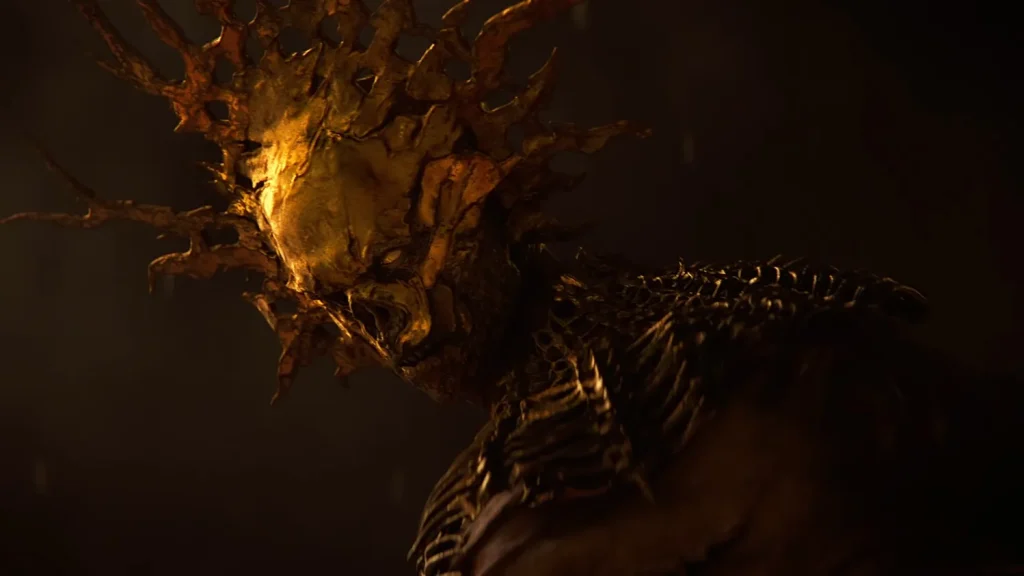
Now that the gameplay systems feel stronger, Housemarque also pushes presentation much further than before.
Carcosa is one of the most visually striking environments on PS5 right now. The eclipse lighting system constantly casts environments in distorted yellow tones and moving shadows that make every encounter feel slightly surreal and unstable.
The DualSense implementation also deserves attention. Weapons feel physically different through adaptive triggers, while melee combat uses haptic feedback effectively enough to make attacks feel heavier and more impactful.
Audio design might honestly be even more impressive than the visuals. The soundtrack shifts between haunting exploration music and distorted combat tracks that immediately signal danger. The score rarely tries to stay subtle, but honestly it does not need to. It perfectly matches the intensity of the gameplay experience.
The Story Feels More Ambitious
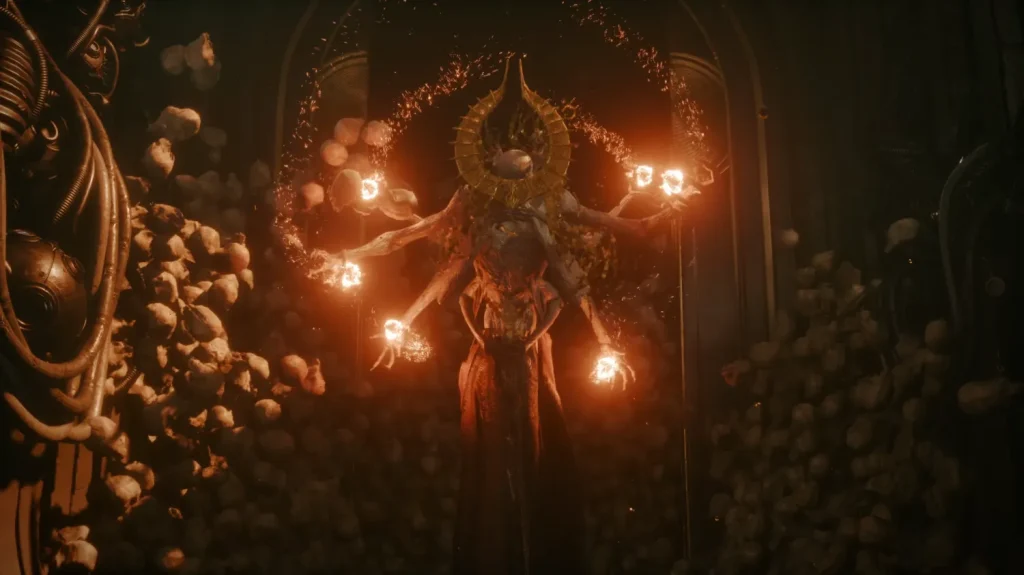
Now, Saros takes a more character-driven approach through Arjun and the remaining Echelon survivors.
That change mostly works in the game’s favor. The supporting cast gives Arjun stronger emotional interactions, which helps the world feel less lonely and emotionally disconnected compared to Returnal’s isolated storytelling approach.
The mystery surrounding the missing expeditions pulls players forward effectively during the early sections. Dialogue, radio communication, flashbacks, optional conversations, and voice logs all combine to flesh out the narrative gradually.
However, this Saros review also has to mention that the story loses some focus later in the game. The larger sci-fi mystery slowly shifts toward a more personal storyline involving Arjun’s past, and that transition does not land perfectly.
Some players will probably appreciate the abstract emotional direction, while others may find the ending slightly frustrating because of how intentionally vague parts of it become.
Saros Still Feels Challenging Without Becoming Exhausting

One concern many players had before release was accessibility.
Thankfully, Saros feels easier to approach than Returnal without becoming simplistic. The game still punishes mistakes constantly, but progression systems and combat readability create a much smoother learning curve overall.
That balance makes a huge difference. Players who bounced off Returnal because of difficulty may find Saros much easier to stick with long term.
At the same time, experienced players still have plenty of mechanical depth to master through advanced movement, parry timing, and aggressive combat strategies.
Final Thoughts
After spending significant time with the game, this Saros review ultimately comes down to one conclusion. Housemarque successfully evolved its formula into something larger, smarter, and more confident.
The combat feels sharper, progression feels more rewarding, the world feels richer, and the narrative carries far more emotional ambition than the studio’s previous work. Even when certain story elements lose focus later on, the overall experience remains incredibly engaging from beginning to end.
For PS5 players searching for a challenging sci-fi action game with excellent combat and atmosphere, Saros easily deserves attention. It feels like Housemarque finally stepping fully into AAA territory with complete confidence.
9.0 Score
Pros
- Fast and responsive combat feels incredibly satisfying
- Visual design look stunning on PS5
- Audio and soundtrack create intense atmosphere during exploration and fights
- Permanent progression makes every run feel rewarding
Cons
- Story loses some focus during the second half
- Some optional dialogue pacing feels awkward
- Difficulty can still feel punishing for some players

[…] love difficult games because overcoming impossible-looking challenges feels incredibly rewarding. Every boss fight, […]