
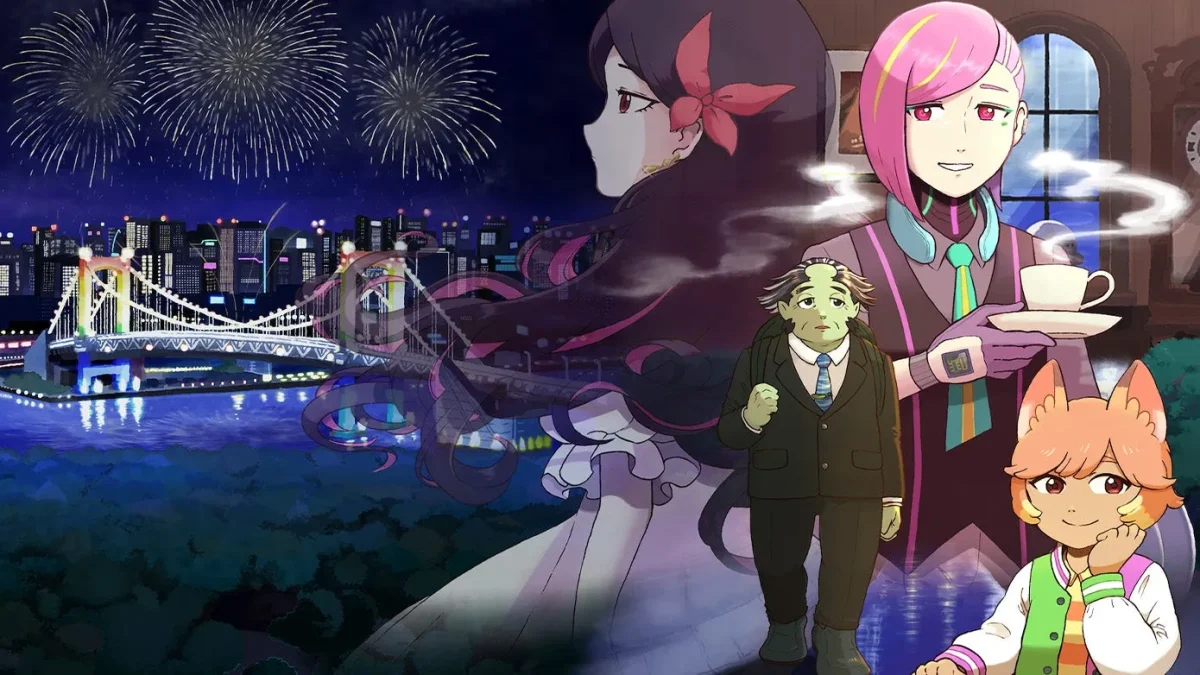

A Coffee Talk Tokyo review almost feels strange to write because the game is less about reaching an ending and more about spending time with the people who pass through its doors. Instead of chasing action sequences or dramatic plot twists, the game asks you to sit down, listen, and enjoy conversations that slowly reveal who these characters really are.
That approach may sound simple, but it works remarkably well. Coffee Talk Tokyo creates the kind of atmosphere where you start a short play session and suddenly realize an hour has disappeared because you wanted to see what would happen to the next customer walking into the café.
If you’re looking for a Coffee Talk Tokyo review before picking it up, the most important thing to know is that this game succeeds because of its characters, not because it tries to overwhelm players with gameplay systems.
Tokyo Gives the Series a New Identity

Fans of the previous games will immediately notice that the setting has changed, but the heart of the series remains intact. The move to Tokyo gives the game a fresh cast of characters, new cultural influences, and a different atmosphere while still maintaining the comforting feeling that made the original entries memorable.
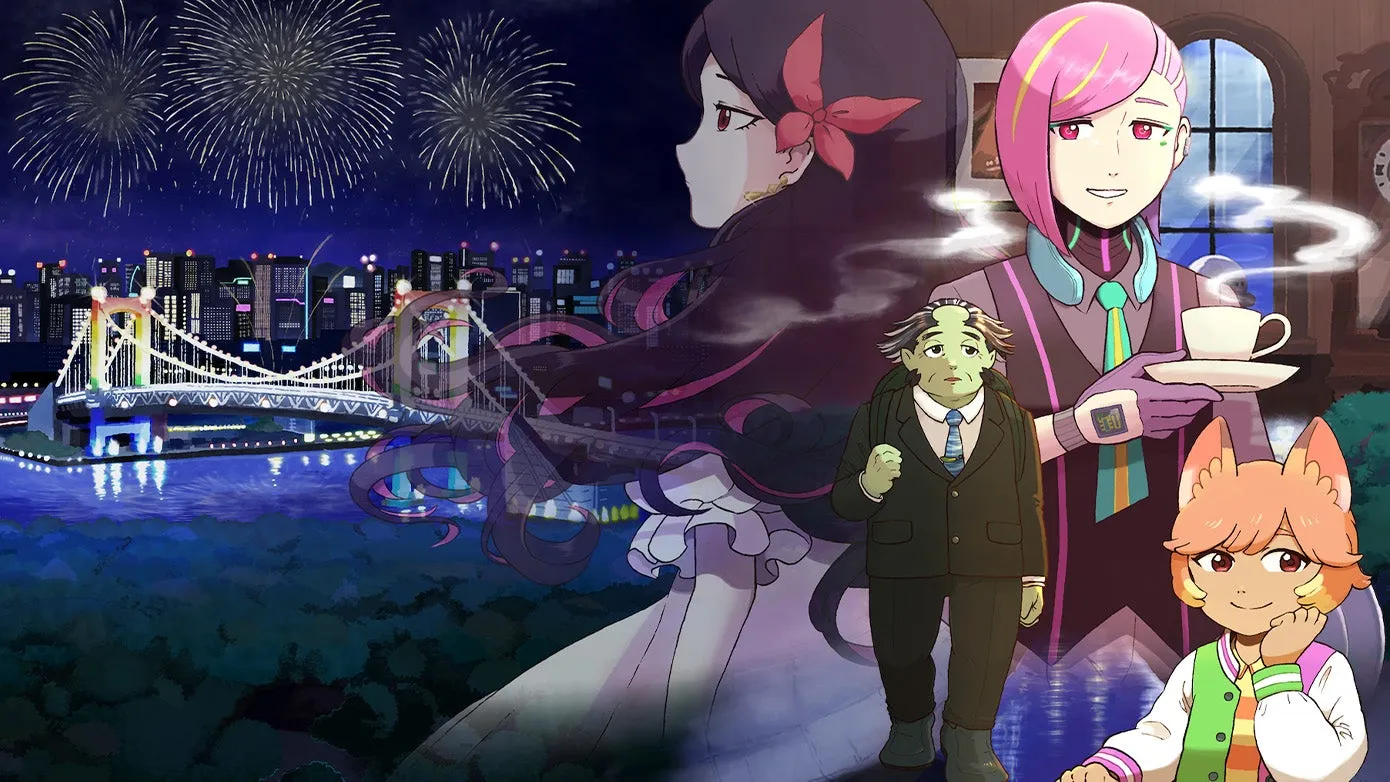
The city itself feels lively even though most of the game takes place inside a single coffee shop. Visitors arrive carrying stories inspired by modern life, fantasy folklore, personal struggles, and everyday frustrations. The combination works surprisingly well because the fantasy elements never overshadow the human side of the stories.
What impressed me most is how naturally the setting supports the narrative. Tokyo feels less like a backdrop and more like a living city that exists beyond the café walls, even though players rarely leave the shop itself.
Every Customer Has a Story Worth Hearing
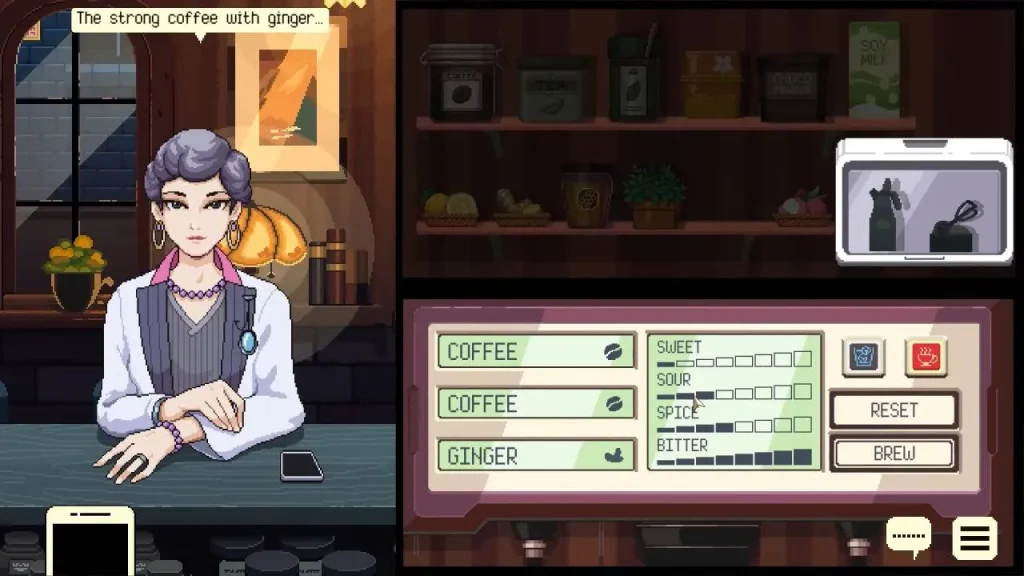
Unlike many narrative games that focus heavily on one central plot, Coffee Talk Tokyo takes a different route. The café acts as the center of the experience while the customers become the true stars of the show.
Some characters arrive with problems they desperately need help solving. Others simply need a place where they can talk openly without feeling judged. As the days pass, relationships begin to form, stories start connecting, and certain conversations gain additional meaning because of things you learned earlier.
The writing deserves a lot of credit here because it rarely feels forced. Characters have distinct personalities, believable motivations, and enough depth that you start remembering them like people rather than visual novel archetypes. By the time certain storylines reach their conclusion, it becomes surprisingly easy to care about the outcome.
Being a Barista Is More Important Than It Sounds

At first glance, making drinks might seem like a small side activity between dialogue scenes. In reality, it plays a much larger role in the overall experience because the drinks you serve can influence how conversations unfold.
Customers often arrive looking for a specific beverage or describing a craving that hints at what they want. Paying attention matters because serving the right drink can help a character relax, open up, or approach a situation differently. Serving the wrong one can lead to less favorable outcomes later in their story.
What I like about the system is that it never becomes overly complicated. The challenge comes from listening carefully to customers rather than memorizing difficult mechanics. That design choice fits perfectly with the slower and more thoughtful pace of the game.
The Phone Menu Adds More Depth Than Expected
Outside of serving drinks, your primary tool is a smartphone that acts as the game’s information hub. While this could have been a simple menu screen, the developers use it to add extra context and worldbuilding throughout the experience.
The recipe app becomes incredibly useful because every discovered drink is recorded automatically. That means players can experiment without worrying about forgetting important combinations later. Alongside recipes, the social media platform allows you to browse character profiles, read their posts, and learn additional details that may never appear directly during conversations.
I found myself checking these features regularly because they helped certain characters feel more complete. Small details about hobbies, interests, or personal opinions often add surprising depth to the stories unfolding inside the café.
A Soundtrack That Knows When to Stay Quiet

Many games use music to demand attention. Coffee Talk Tokyo takes the opposite approach by letting its soundtrack quietly support the atmosphere without overpowering it.
The music creates the feeling of spending a peaceful evening inside a small café while rain falls outside and conversations drift across the room. Certain tracks quickly become familiar companions during longer play sessions, helping the game maintain its relaxing mood throughout the story.
There is also a music application inside the game that lets players select specific songs if they have favorites. It is a small feature, but it contributes to the cozy atmosphere and gives players another way to personalize the experience.
The Visual Presentation Fits the Mood Perfectly
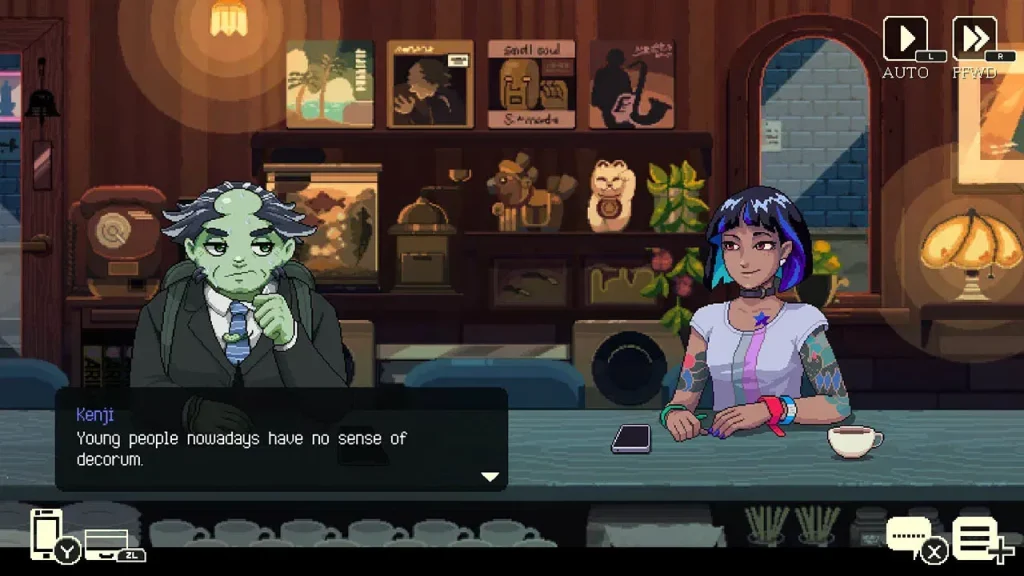
Coffee Talk Tokyo is not trying to impress anyone with cutting-edge graphics, and honestly it does not need to. The pixel art style works beautifully because it complements the warm and inviting atmosphere the game wants to create.
The café feels lived in without becoming cluttered, and every character has enough visual personality to stand out immediately. Expressions, poses, and subtle animations help conversations feel more engaging even when the majority of gameplay involves reading dialogue.
One of the game’s biggest strengths is how much life it creates within a single location. Despite spending almost the entire experience behind the counter, the environment rarely feels repetitive because the constant flow of visitors keeps things fresh.
Also Read
- 12 Best JRPG Games With Stories You Won’t Forget
- What Is Indie Games & Why Players Love Them So Much?
- 10 Best Cozy Games To Relax With After a Long Day
Small Decisions Can Have Bigger Consequences

One aspect that surprised me during this Coffee Talk Tokyo review was how much attention the game rewards. Characters often mention details casually during conversations, and those details can become important later when choosing drinks or understanding their situation.
The game never turns this into a difficult puzzle, but it does encourage players to stay engaged. Listening carefully feels meaningful because the information you learn can help customers make better decisions or reach more satisfying outcomes.
That sense of involvement helps players feel like more than just passive observers. Even though the game remains story-focused, there is enough interaction to keep you invested in what happens next.
Not Everything Works Perfectly

As much as I enjoyed the experience, there are a few rough edges worth mentioning. Some dialogue occasionally contains typos or grammatical mistakes, which can stand out more than usual because reading is such a large part of the game.
I also found myself wishing for a little more optional worldbuilding outside the café. The characters are interesting enough that I wanted additional ways to learn about the city and events happening around them. The game provides some extra information through social media, but there were moments where I wanted even more.
Neither issue significantly hurts the overall experience, but they are noticeable during longer play sessions.
More Comforting Than Exciting

That description might sound like criticism, but it is actually one of the game’s biggest strengths. Coffee Talk Tokyo understands exactly what kind of experience it wants to deliver and never tries to become something else.
This is not a game built around adrenaline, competition, or massive stakes. Instead, it offers a comfortable space where people share stories, support one another, and occasionally find solutions to problems that seemed impossible earlier. That focus gives the game a charm that feels increasingly rare in modern gaming.
By the end, I found myself looking forward to the sound of the café door opening because it always meant another interesting story was about to begin.
Final Thoughts

This Coffee Talk Tokyo review ultimately comes down to the quality of its writing and characters, and thankfully both are excellent. The move to Tokyo provides a fresh setting, the drink-making system remains enjoyable, and the collection of stories keeps the experience engaging throughout its runtime.
Players looking for action or complex gameplay mechanics may find the pace too slow. However, anyone who enjoys visual novels, slice-of-life storytelling, or character-driven experiences will find a lot to appreciate here. Coffee Talk Tokyo succeeds because it understands the value of good conversations, and it turns those conversations into an experience that is difficult to forget.
8.0 Score
Pros
- Excellent character writing and memorable stories
- Relaxing café atmosphere that is easy to get immersed in
- Expanded drink-making system with hot and cold beverages
- Beautiful pixel art and expressive character portraits
- Strong soundtrack that perfectly matches the mood
Cons
- Occasional typos and grammatical errors in conversations
- Missing features from previous entries feel noticeable
- Some players may find the pacing too slow
Final Verdict
Coffee Talk Tokyo is a warm and charming visual novel that shines through its characters and storytelling. It may not offer much action or gameplay variety, but few games create such a comforting atmosphere while making everyday conversations feel this engaging. If you enjoy slice-of-life stories and relaxing narrative experiences, this is an easy recommendation.
