
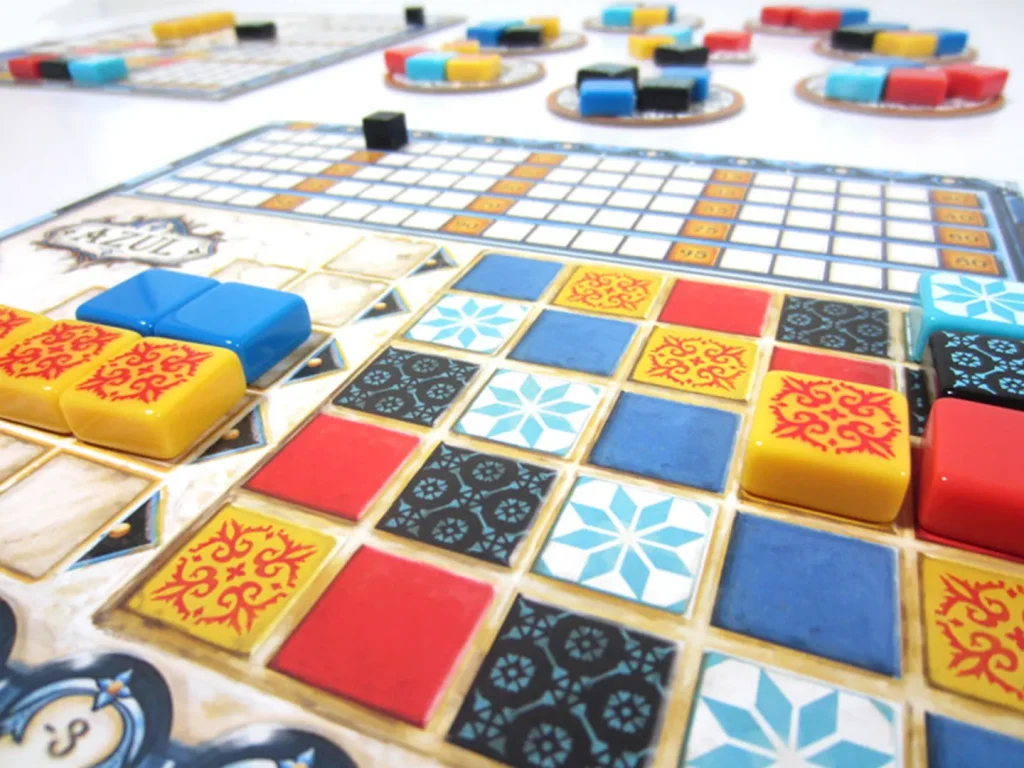
Some board games become popular because they are complicated and competitive. Azul became popular for the opposite reason. It looks beautiful on the table, feels relaxing at first, and somehow still turns surprisingly strategic after a few rounds.
The Azul board game has become one of the biggest modern tabletop hits because it is easy to learn but still satisfying for experienced players. It works well for casual game nights, families, and competitive groups without feeling overwhelming.
If you are curious about how the game works or thinking about buying it for your next board game session, here is everything beginners should know.
What Is Azul?
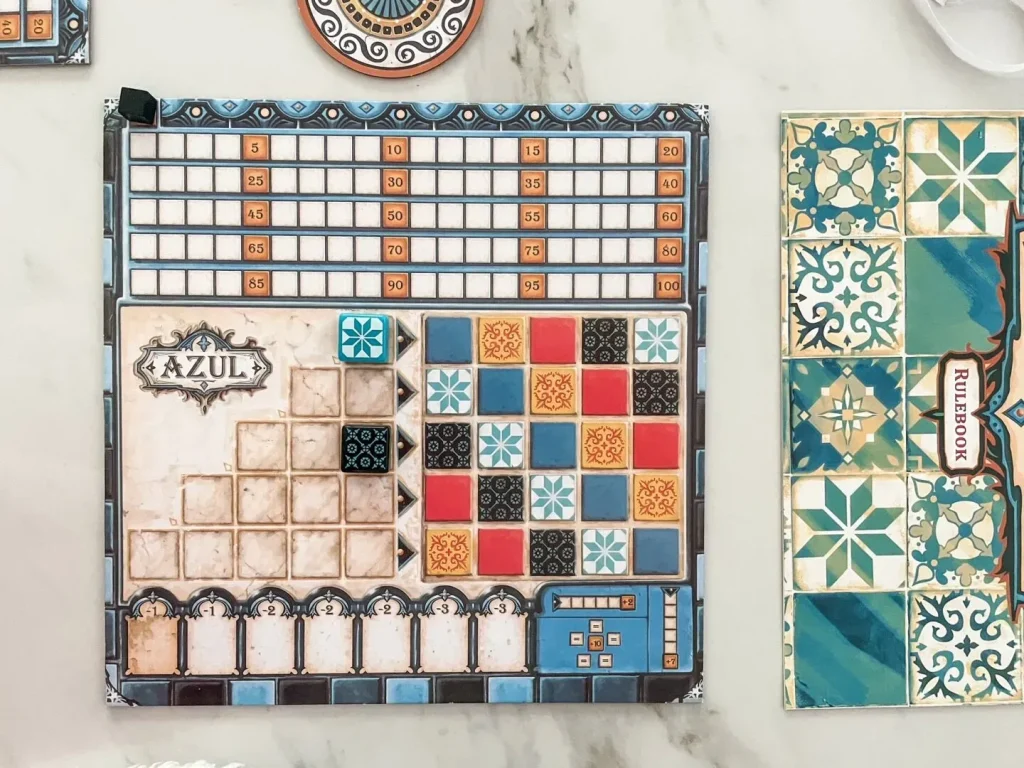
Azul is a tile-drafting strategy board game created by Michael Kiesling.
The game is inspired by Portuguese ceramic tile art, and players compete by collecting colorful tiles to build decorative patterns on their personal boards.
Even though the concept sounds simple, Azul becomes surprisingly strategic because every tile choice affects both your score and your opponents.
The game usually supports two to four players and takes around 30 to 45 minutes per match, which makes it perfect for shorter game nights.
How To Play Azul Board Game
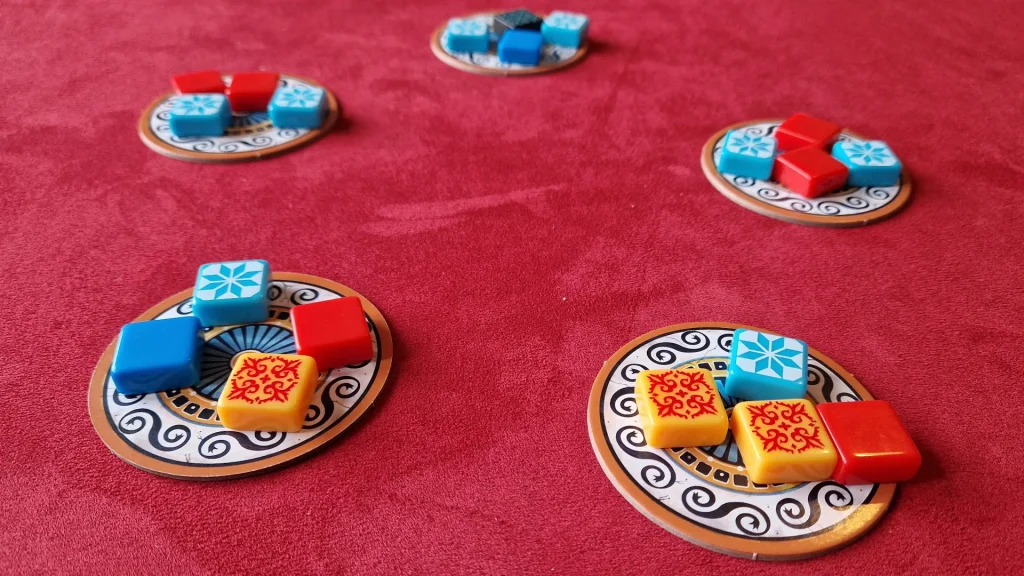
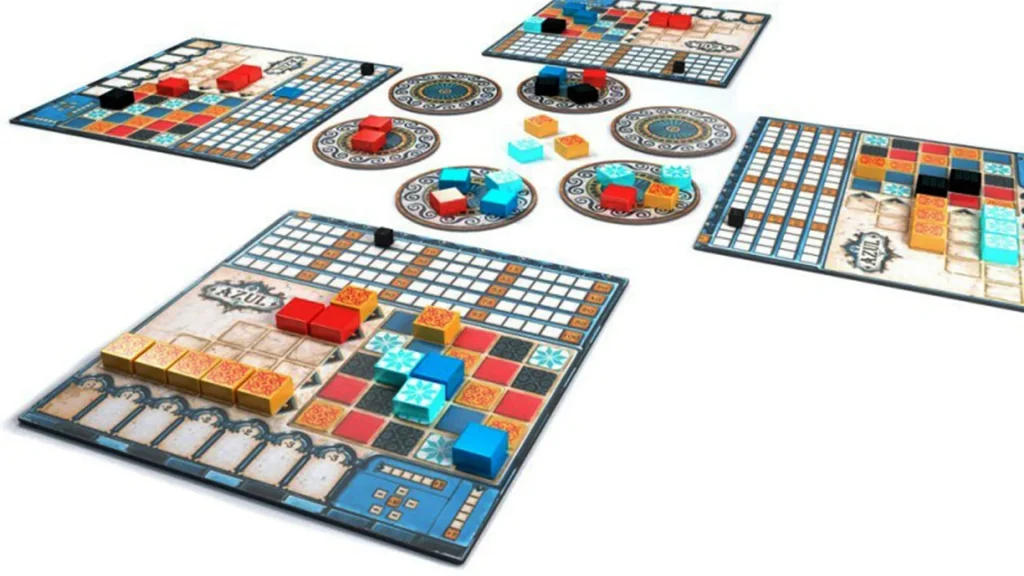
At the start of the game, circular factory displays are filled with colored tiles drawn randomly from a bag.
During each turn, players choose all tiles of one color from a factory display or from the center area. The remaining tiles move into the middle after selections are made.
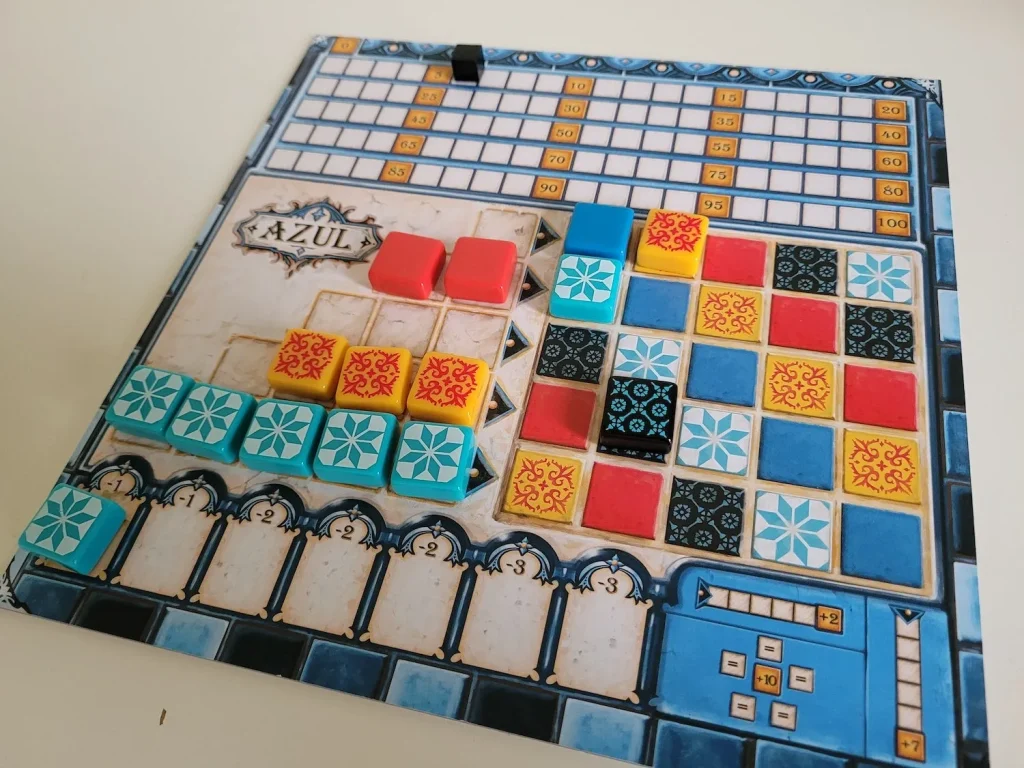
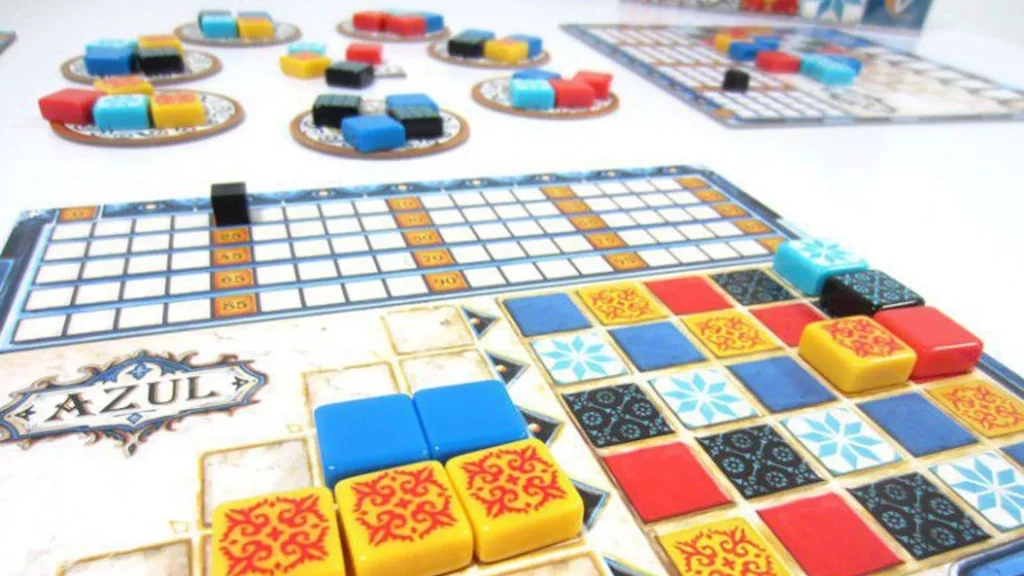
The chosen tiles are then placed onto pattern lines on the player board. Each row can only contain one tile color, so planning ahead becomes important very quickly.
Once all tiles are taken, the round ends and scoring begins.
Completed rows move tiles onto the wall section of the board, earning points based on adjacent tiles already placed. The more connected tiles you create, the more points you score.
However, taking too many unnecessary tiles creates penalties. Extra tiles fall onto the floor line and reduce your score at the end of the round.
The game continues across several rounds until one player completes a horizontal row on their wall. Final bonus points are then counted based on completed rows, columns, and color sets.
The player with the highest score wins.
Is Azul Good for Beginners?

Azul is actually one of the best modern board games for beginners.
The rules are straightforward, turns move quickly, and there is very little downtime between players. Unlike some heavier strategy games, Azul does not overwhelm new players with complicated systems or massive rulebooks.
At the same time, experienced players can still enjoy optimizing strategies and planning future rounds carefully.
That balance is a huge reason why the game appeals to so many different types of players.
Azul Board Game Price
The Azul board game price varies depending on region, retailer, and edition, but the standard version is usually considered fairly affordable compared to many premium tabletop games.
- In Indonesia, Azul commonly sells for around IDR 550,000 to IDR 850,000.
- In Malaysia, prices are usually around MYR 150 to MYR 250.
- In Singapore, the game often costs between SGD 45 and SGD 75.
- In Thailand, prices are generally around THB 1,200 to THB 2,000.
- In the Philippines, Azul typically sells for PHP 1,800 to PHP 3,000.
- In Vietnam, the game is often priced between VND 900,000 and VND 1,600,000.
Prices may increase for special editions, expansions, or imported versions.
What Makes Azul Different From Other Board Games
Many strategy board games focus heavily on direct conflict, but Azul feels more subtle.
Players still compete intensely, but the competition happens through tile drafting and resource denial rather than aggressive attacks or combat mechanics.
This makes the game feel relaxing visually while still creating surprisingly tense decisions every round.
Because matches are fairly short, players also tend to want immediate rematches once the game ends.
The Azul board game became a modern tabletop favorite because it combines simple rules, strategic depth, and beautiful presentation into one complete package.
For beginners, it offers an easy introduction to modern strategy board games without becoming intimidating. For experienced players, it still provides enough tactical decision-making to stay interesting after many matches.
Once you play a few rounds, it becomes very easy to understand why Azul continues appearing in so many board game collections around the world.