


The debate around roguelite vs roguelike games has been happening for years, and honestly, it still confuses a lot of players today. Many people use both terms interchangeably even though the genres actually have important differences that completely change how the gameplay feels.
Part of the confusion comes from how modern games borrow mechanics from both styles constantly. Some games include permanent upgrades, others reset everything after death, and a few blend both ideas together so heavily that players stop caring about genre labels entirely.
Still, understanding roguelite vs roguelike design helps explain why certain games feel brutally punishing while others feel more forgiving and progression-focused.
What Is Roguelite?
Roguelite games are designed around repeated runs where players gradually become stronger over time through permanent progression systems. Even after dying, players usually keep certain upgrades, unlocks, abilities, or currencies that make future runs easier or more varied.
That permanent progression is the biggest difference between roguelite vs roguelike experiences. Roguelites reward persistence by constantly giving players something meaningful after each failed attempt.
This structure makes the genre more accessible for casual players because death rarely feels like total punishment. Instead of restarting completely from zero every single time, players slowly build power across multiple runs.
Modern roguelites also tend to focus heavily on fast-paced combat, stylish visuals, and shorter gameplay loops that encourage just one more run behavior.
What Is Roguelike?
Roguelike games follow a much harsher design philosophy. When players die, they usually lose nearly everything and must restart entirely from the beginning without permanent progression carrying over between runs.
That structure comes directly from the classic Rogue, which inspired the entire genre name originally. Traditional roguelike games often feature procedural generation, turn-based gameplay, resource management, and heavy punishment for mistakes.
Because of that design, roguelikes usually feel much more intense and strategic compared to roguelites. Every decision matters because failure can erase hours of progress instantly.
Some players love this level of difficulty because victories feel extremely rewarding. Others find it frustrating because progress depends heavily on skill, adaptation, and learning systems through repeated failure.
Why Players Keep Confusing Roguelite vs Roguelike
The biggest reason people confuse roguelite vs roguelike genres is because modern games constantly mix mechanics from both categories.
Some games include permanent progression but still punish death harshly. Others use roguelike procedural generation while keeping roguelite upgrade systems. Over time, the distinction between genres became much blurrier than it used to be.
Gaming communities also tend to label almost any run-based game as “roguelike” even when it technically fits roguelite design much better.
At this point, many developers focus more on making interesting gameplay loops rather than perfectly following traditional genre rules.
Also Read
Most Popular Roguelite Games
Modern roguelites became extremely popular because they combine satisfying progression with replayability. Players can slowly improve their characters while still enjoying the unpredictability of randomized runs.
Some of the biggest modern indie hits actually helped push the roguelite genre into mainstream gaming.
1. Hades
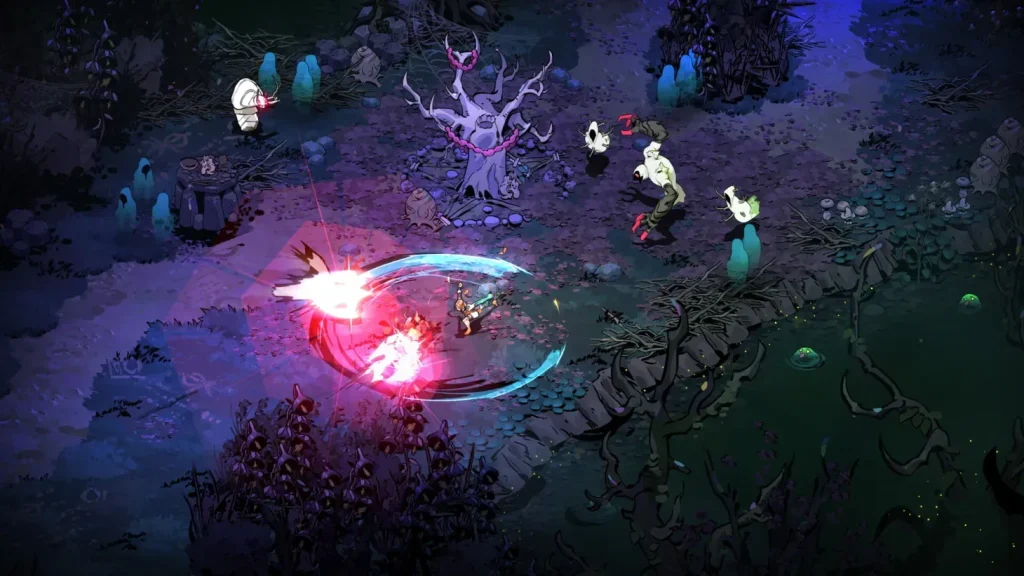
Few roguelites became as universally praised as Hades. The game combines fast combat, Greek mythology, and strong storytelling into one incredibly polished experience.
What makes Hades especially impressive is how death becomes part of the narrative itself. Every failed run still pushes character interactions and story progression forward, which keeps repetition from feeling frustrating.
The combat also stays exciting because weapon builds and upgrades constantly change each run.
2. Dead Cells
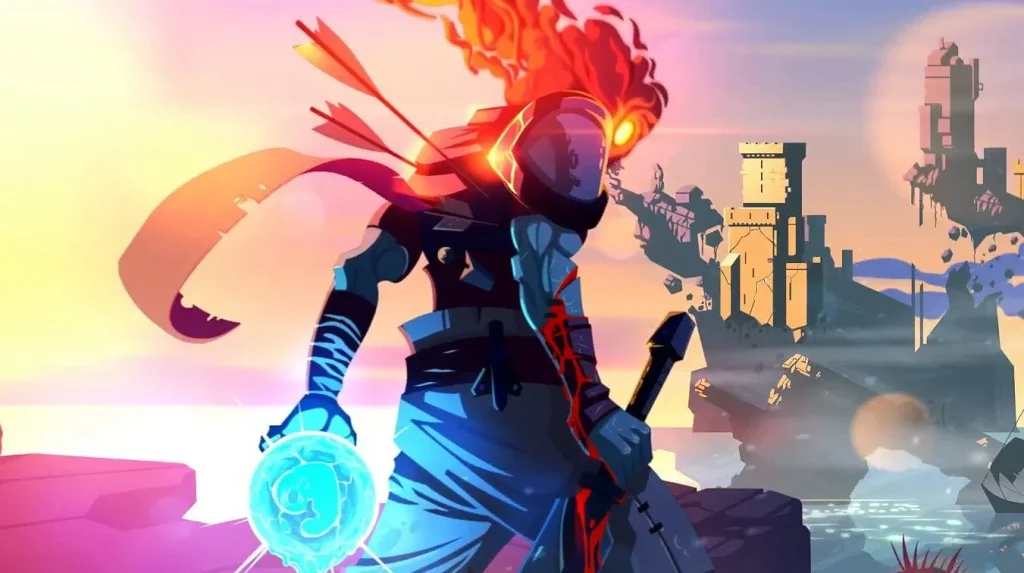
Dead Cells mixes roguelite progression with fast 2D combat and platforming. The movement feels smooth and responsive, which helps every run stay satisfying even during difficult sections.
Permanent unlocks gradually open new weapons, abilities, and paths that make future runs more interesting. At the same time, the game still remains challenging enough to reward skilled gameplay heavily.
That balance helped Dead Cells become one of the most respected roguelites available today.
3. Vampire Survivors

At first glance, Vampire Survivors looks almost too simple to become addictive. Then suddenly players realize they have spent hours experimenting with builds and chasing stronger upgrades.
The game focuses heavily on permanent progression and chaotic enemy waves. Unlocking stronger abilities and combining weapon evolutions creates incredibly satisfying runs that constantly encourage replayability.
Its low price and highly addictive gameplay helped it explode in popularity worldwide.
Most Popular Roguelike Games
Compared to roguelites, traditional roguelikes usually focus much more on survival, strategy, and punishment. Success often depends entirely on player skill and careful decision-making rather than permanent upgrades.
That harsher structure creates intense gameplay where even small mistakes can completely end promising runs.
1. The Binding of Isaac

The Binding of Isaac helped popularize modern roguelike gameplay for a huge audience. The game constantly throws unpredictable item combinations, enemies, and room layouts at players during every run.
Part of the appeal comes from experimentation. Some item combinations become hilariously overpowered, while others create complete disasters.
The randomness helps every run feel unique even after hundreds of hours.
2. Spelunky 2
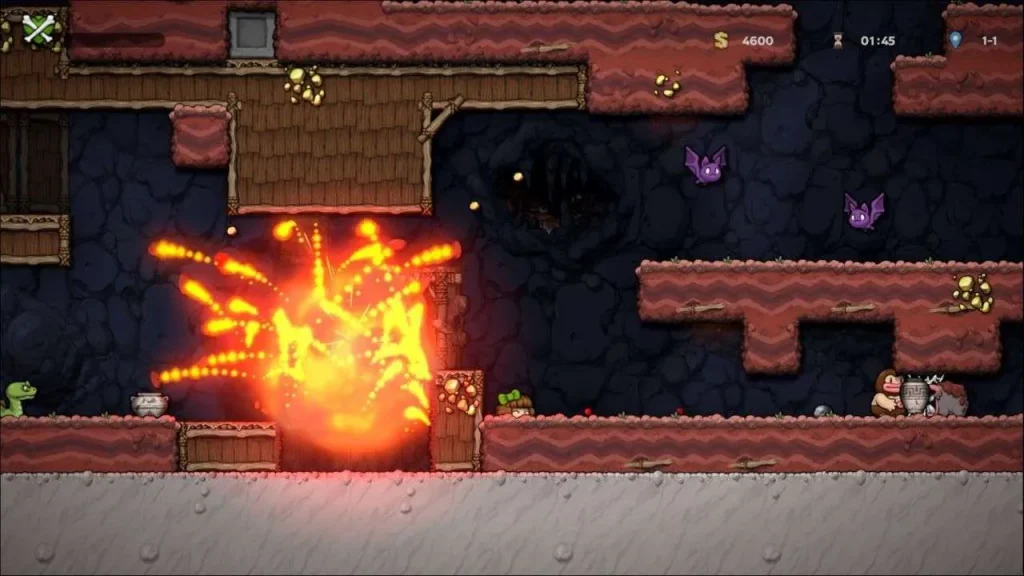
Spelunky 2 is famous for being brutally difficult while still feeling fair. Every death usually teaches players something important about traps, enemy behavior, or movement timing.
Unlike many modern roguelites, the game offers very little permanent progression. Success depends heavily on mastering mechanics and learning through repeated failure.
That harsh but rewarding structure is exactly why so many hardcore players love it.
3. NetHack

NetHack represents classic roguelike design in its purest form. The game focuses heavily on exploration, resource management, and complex interactions that can create unpredictable situations constantly.
Visually, it looks extremely old-school compared to modern games, but its depth remains legendary among longtime roguelike fans. Many players still consider it one of the most influential games in the genre’s history.
Roguelite vs Roguelike, Which Genre Is Better?
Honestly, neither genre is objectively better because they target different experiences.
Players who enjoy long-term progression and steady improvement often prefer roguelites because failed runs still feel rewarding. On the other hand, players who enjoy pure challenge and skill-based progression usually lean toward traditional roguelikes.
The good news is that modern games often blend both styles together anyway, which means players can enjoy elements from both genres simultaneously.
The discussion around roguelite vs roguelike games will probably continue for years because the genres constantly evolve and overlap. Still, the biggest difference remains simple. Roguelites usually allow permanent progression between runs, while roguelikes reset players almost completely after death.
Both genres continue producing some of the most addictive and replayable games in modern gaming. Whether you prefer brutal punishment or rewarding progression systems, there is a good chance you will find something worth obsessing over in both categories.

[…] means game genres can feel confusing sometimes. One game gets called an RPG, another is labeled roguelite, and suddenly players are trying to figure out the difference between survival horror and action […]