

Ever looked at a multiplayer game and wondered if people are still playing it? Maybe you were thinking about buying a game but wanted to know whether the community was active before spending your money. That is exactly why so many players end up checking Steam Charts before making a decision.
Steam Charts has become one of the most popular tools for PC gamers because it provides a quick look at player activity across thousands of games on Steam. Whether you are researching a new purchase, tracking the success of a recent release, or simply curious about player numbers, Steam Charts can provide useful information within seconds. If you have never used Steam Charts before, understanding how it works is surprisingly simple.
What Is Steam Charts?

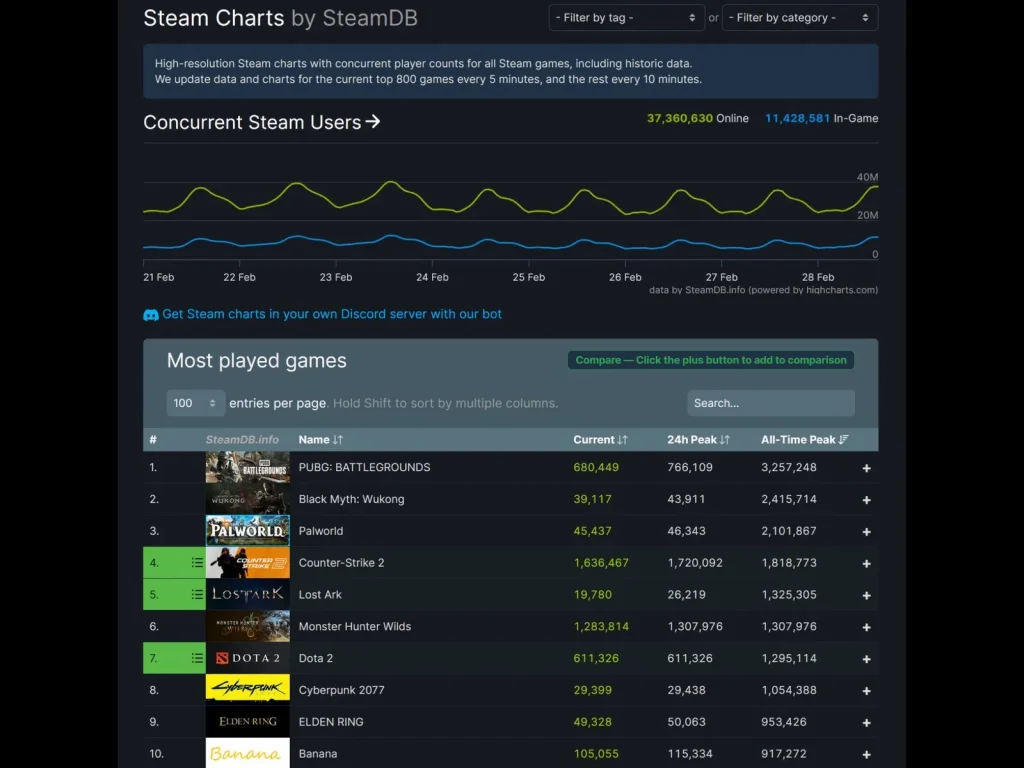
Steam Charts is a website that tracks and displays player activity for games available on Steam. The platform collects publicly available Steam data and organizes it into charts that show how many people are playing a game at different points in time.
When most players talk about Steam Charts, they are usually referring to the player count statistics shown for individual games. These statistics include current players, daily averages, monthly averages, and historical peaks. Because the data is updated regularly, Steam Charts has become one of the most commonly used tools for measuring the popularity of PC games.
Many gamers use Steam Charts before purchasing online games because active player numbers can provide insight into how healthy a community currently is. A multiplayer game with strong player activity generally offers faster matchmaking and a more active community experience.
How Does Steam Charts Work?
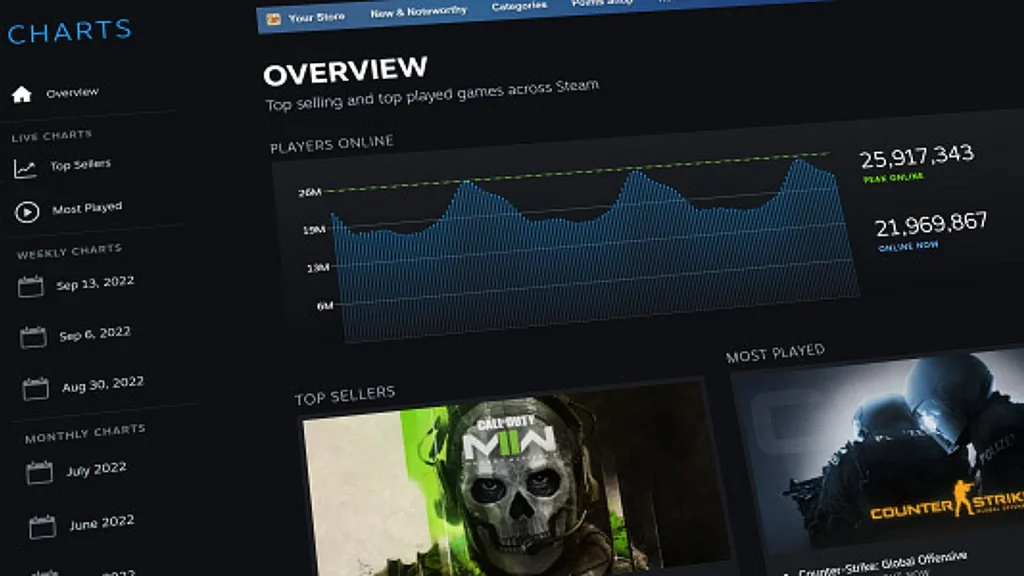
The reason Steam Charts is so popular is because the information is easy to understand. Instead of presenting complicated analytics, the site focuses on numbers that most players can interpret immediately.
For each game, Steam Charts displays current player counts, average players over specific periods, and historical records showing peak activity. The platform also provides graphs that make it easy to see whether a game’s population is growing, remaining stable, or gradually declining.
This information can be useful for more than just multiplayer games. Even single-player titles often appear on Steam Charts because player activity can indicate how successful or popular a release currently is within the gaming community.
Why Do Gamers Use Steam Charts?
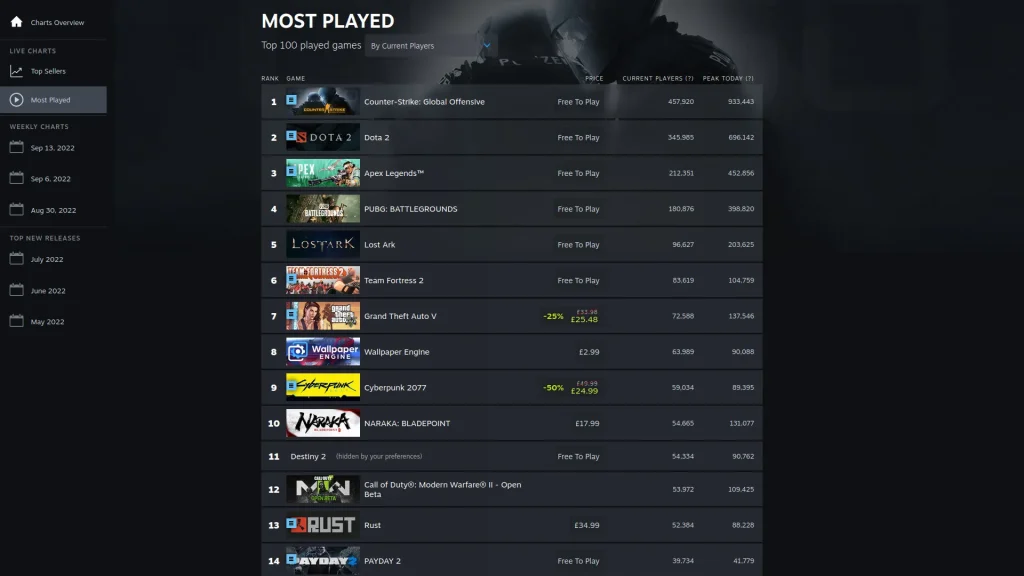
One of the biggest reasons people visit Steam Charts is to check if a game still has an active player base. Nobody wants to buy a multiplayer game only to discover that finding a match takes twenty minutes.
Steam Charts helps answer those concerns quickly. By checking current and average player counts, players can get a rough idea of how active a game’s community is before making a purchase.
Another common use involves comparing games. Players often use Steam Charts to see which titles are growing in popularity and which ones are losing momentum. This becomes especially interesting when new updates, expansions, or major patches cause player numbers to increase significantly.
ALSO READ
- Arc Raiders Review After Hours of Gameplay
- 7 Best Games Like Forza Horizon 6 to Play Next
- 12 Best JRPG Games With Stories You Won’t Forget
Understanding the Numbers
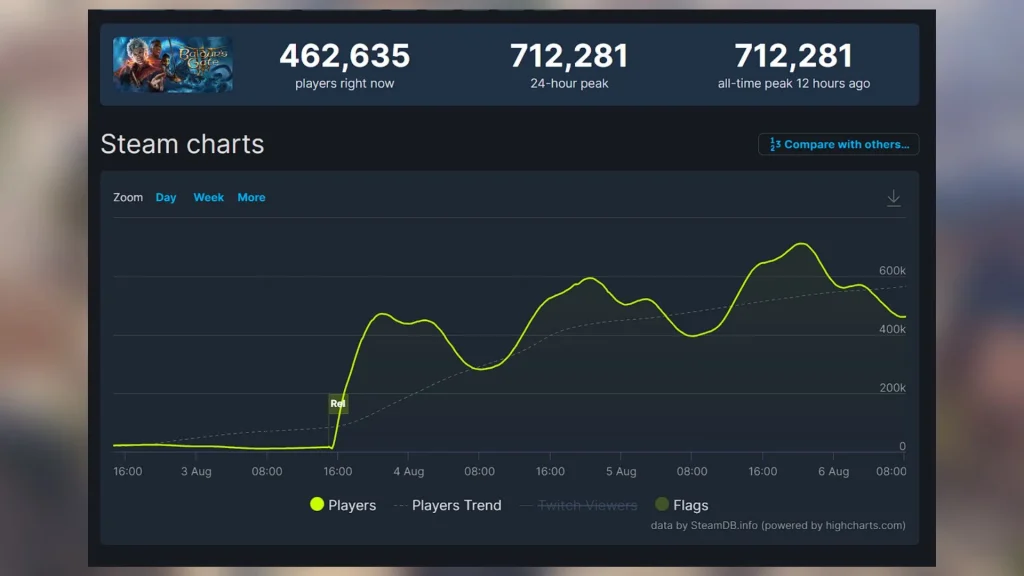
Looking at Steam Charts for the first time can be slightly confusing because several different statistics appear on each game page. Fortunately, understanding the most important numbers only takes a few minutes.
Current Players shows how many people are actively playing a game at that moment. This number changes constantly throughout the day as players log in and out.
Average Players reflects the average number of players during a specific time period. Many gamers consider this one of the most useful metrics because it provides a better overall picture than a single momentary player count.
Peak Players refers to the highest number of concurrent players recorded during a particular period. Large spikes often happen after major updates, new content releases, or significant sales events.
Steam Charts Is Especially Useful for Multiplayer Games
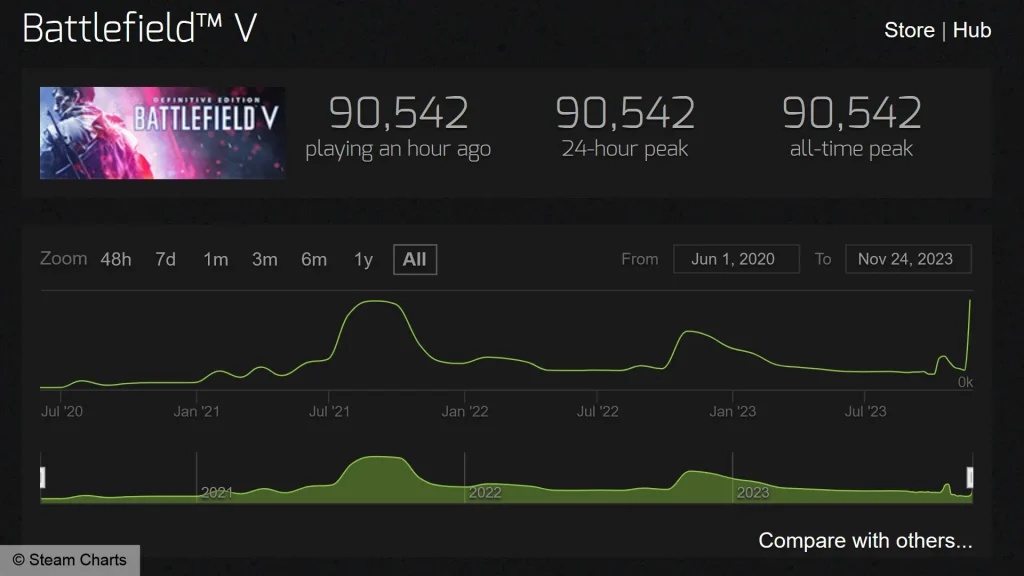
The value of Steam Charts becomes much more obvious when looking at multiplayer titles. Games that rely heavily on matchmaking need active communities to function properly, and player counts provide a quick snapshot of overall activity.
A healthy player population usually means shorter queue times, more active servers, and a better chance of finding players at different skill levels. This is why many people check Steam Charts before buying competitive shooters, MMORPGs, survival games, or online co-op titles.
Even veteran players continue using Steam Charts because it helps them monitor the long-term health of games they already own.
Can Steam Charts Predict a Game’s Success?
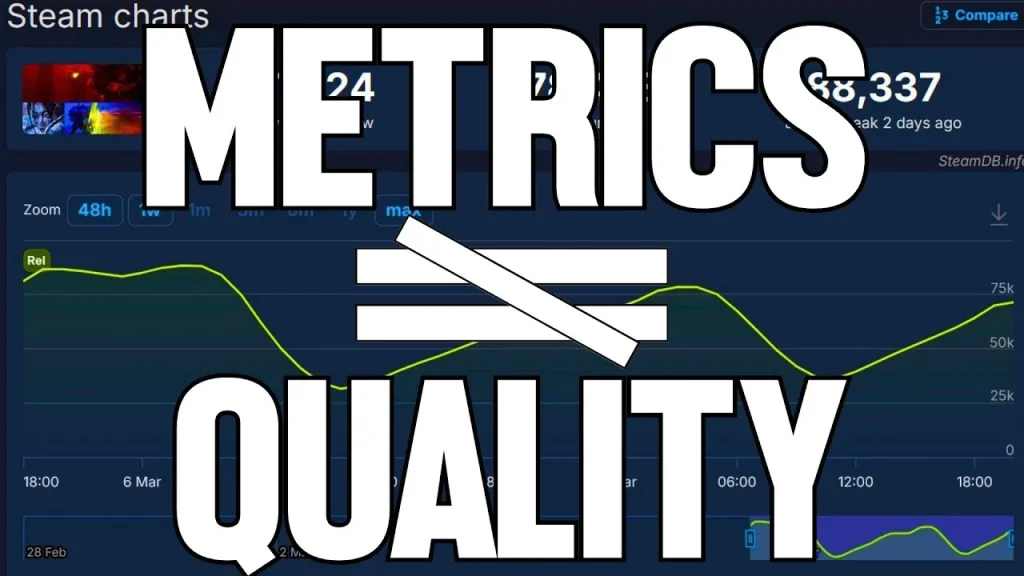
While Steam Charts provides useful information, it should not be treated as a perfect measure of quality. Some excellent games have relatively small player bases, while some hugely popular games receive mixed reactions from players.
The platform works best as a tool for understanding activity levels rather than judging quality. A high player count may indicate strong interest, but it does not automatically mean a game is better than one with fewer players.
That said, Steam Charts can still reveal interesting trends. Large increases in player numbers often signal successful updates, while sudden declines may indicate community concerns or competition from newer releases.
Steam Charts has become one of the most useful resources for PC gamers because it turns complex player data into information that anyone can understand. Whether you are researching a game before buying it, checking the health of a multiplayer community, or following the success of a recent release, Steam Charts provides valuable insights in a simple format.
The next time you are curious about a game’s popularity, chances are Steam Charts will be one of the first places worth checking. Its player statistics, historical data, and easy-to-read graphs make it a helpful tool for both casual players and dedicated gaming enthusiasts.