

Modern gaming has become massive, which also means game genres can feel confusing sometimes. One game gets called an RPG, another is labeled roguelite, and suddenly players are trying to figure out the difference between survival horror and action adventure games.
That is exactly why gaming genres explained articles are useful, especially for newer players trying to understand what kinds of games actually match their interests. Different genres create completely different experiences, and understanding them makes it much easier to discover games you will genuinely enjoy.
Some genres focus heavily on storytelling while others prioritize competition, creativity, survival, or fast-paced gameplay. Once you understand the basics, navigating modern gaming becomes much less overwhelming.
Action

Action games focus heavily on movement, combat, reflexes, and fast gameplay pacing. Players are usually fighting enemies constantly, avoiding attacks, and reacting quickly during intense encounters.
Games like Devil May Cry 5 and DOOM Eternal are strong examples because they prioritize adrenaline-heavy gameplay from beginning to end.
One reason action games remain so popular is simple. They create immediate excitement and keep players engaged constantly.
RPG

RPG stands for role-playing game, and this genre focuses heavily on character progression, exploration, storytelling, and player choices.
Players usually level up characters, unlock abilities, improve equipment, and make decisions that shape the experience over time. RPGs often contain massive worlds designed for long adventures.
Popular examples include The Witcher 3 Wild Hunt and Baldur’s Gate 3.
The genre stays popular because players become emotionally attached to characters and worlds after spending dozens of hours exploring them.
Shooter

Shooter games revolve around ranged combat using firearms or projectile weapons. Accuracy, reaction speed, and positioning usually play major roles during gameplay.
Some shooters focus heavily on competitive multiplayer while others prioritize cinematic campaigns and storytelling.
Titles like Counter-Strike 2 remain massively popular because online competition keeps the gameplay exciting long term.
Adventure

Adventure games emphasize exploration, storytelling, puzzles, and character interaction more than nonstop combat.
Many modern adventure games blend action mechanics with narrative-driven experiences to create immersive worlds players can explore freely.
Games such as Red Dead Redemption 2 and Uncharted 4 A Thief’s End show how strong storytelling and world design can completely pull players into the experience.
Horror

Horror games are designed to create fear, stress, tension, and psychological discomfort throughout gameplay.
Some focus on survival mechanics with limited resources, while others rely more heavily on atmosphere and disturbing storytelling.
Resident Evil 4 Remake and Silent Hill 2 remain iconic because they constantly make players feel unsafe even during quieter moments.
Good horror games understand that tension is often more important than cheap jump scares.
Simulation

Simulation games recreate activities, systems, or lifestyles in realistic or semi-realistic ways.
Players may manage farms, cities, airplanes, sports teams, or even everyday life depending on the game’s focus. These experiences are usually slower paced compared to action-heavy genres.
Popular examples include The Sims 4 and Microsoft Flight Simulator.
Many players enjoy simulation games because they feel relaxing and satisfying over long sessions.
Strategy


Strategy games focus heavily on planning, resource management, and tactical decision-making.
Instead of relying on fast reflexes, players succeed through careful thinking and long-term preparation. Managing armies, civilizations, or resources is usually central to gameplay.
Games like Civilization VI and StarCraft II became legendary because of their strategic depth and replayability.
Fighting

Fighting games center around direct one-on-one combat between characters using combos, timing, and mechanical skill.
Matches are often fast, competitive, and highly technical once players begin mastering advanced mechanics.
Tekken 8 and Street Fighter 6 continue attracting large competitive communities because the skill ceiling remains incredibly high.
MOBA

MOBA stands for Multiplayer Online Battle Arena.
These games involve two teams competing while controlling unique heroes with specialized abilities and roles. Teamwork, communication, and strategy are extremely important during matches.
League of Legends and Dota 2 dominate esports partly because matches constantly evolve depending on player decisions and teamwork.
Puzzle

Puzzle games challenge players through logic, creativity, observation, and problem-solving instead of combat.
Some puzzle games stay relaxing and casual, while others become surprisingly difficult and mentally demanding over time.
Portal 2 and The Witness are strong examples of games that reward intelligence and experimentation heavily.
Survival

Survival games focus on staying alive while managing food, crafting, health, shelter, and environmental dangers.
Many survival games also include multiplayer systems where players cooperate or fight against each other for resources.
Games like Rust and Valheim became huge because player interactions create unpredictable stories constantly.
Sports

Sports games recreate real-world competitions such as football, basketball, racing, and wrestling.
These games remain popular because they allow fans to control teams, players, and competitions directly inside virtual environments.
EA Sports FC 26 and NBA 2K26 continue dominating yearly releases because sports communities remain extremely active globally.
Sandbox

Sandbox games prioritize freedom and creativity above strict objectives or story progression.
Players can usually build structures, modify worlds, and create their own experiences without heavy restrictions.
Minecraft remains the most famous sandbox title because players can create almost anything imaginable using the game’s systems.
MMORPG
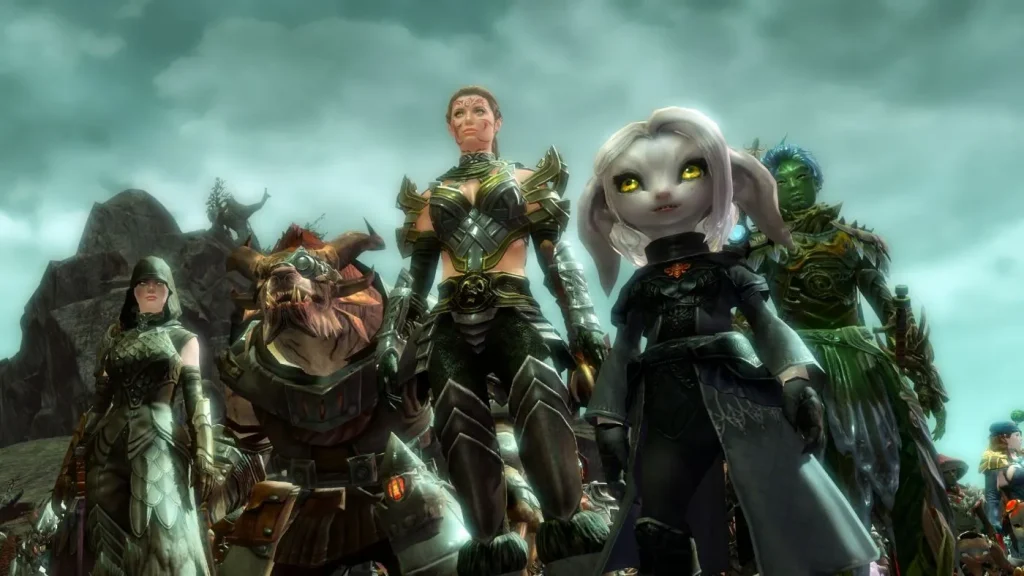
MMORPG stands for Massively Multiplayer Online Role-Playing Game.
These games place thousands of players inside persistent online worlds filled with quests, guilds, raids, and long-term progression systems.
Games such as Guild Wars 2 and Final Fantasy XIV built massive communities because players spend years exploring their worlds together.
Understanding gaming genres becomes extremely useful once you start exploring more games regularly. Different genres create completely different experiences, and knowing the basics helps players discover titles that actually match their interests and playstyles.